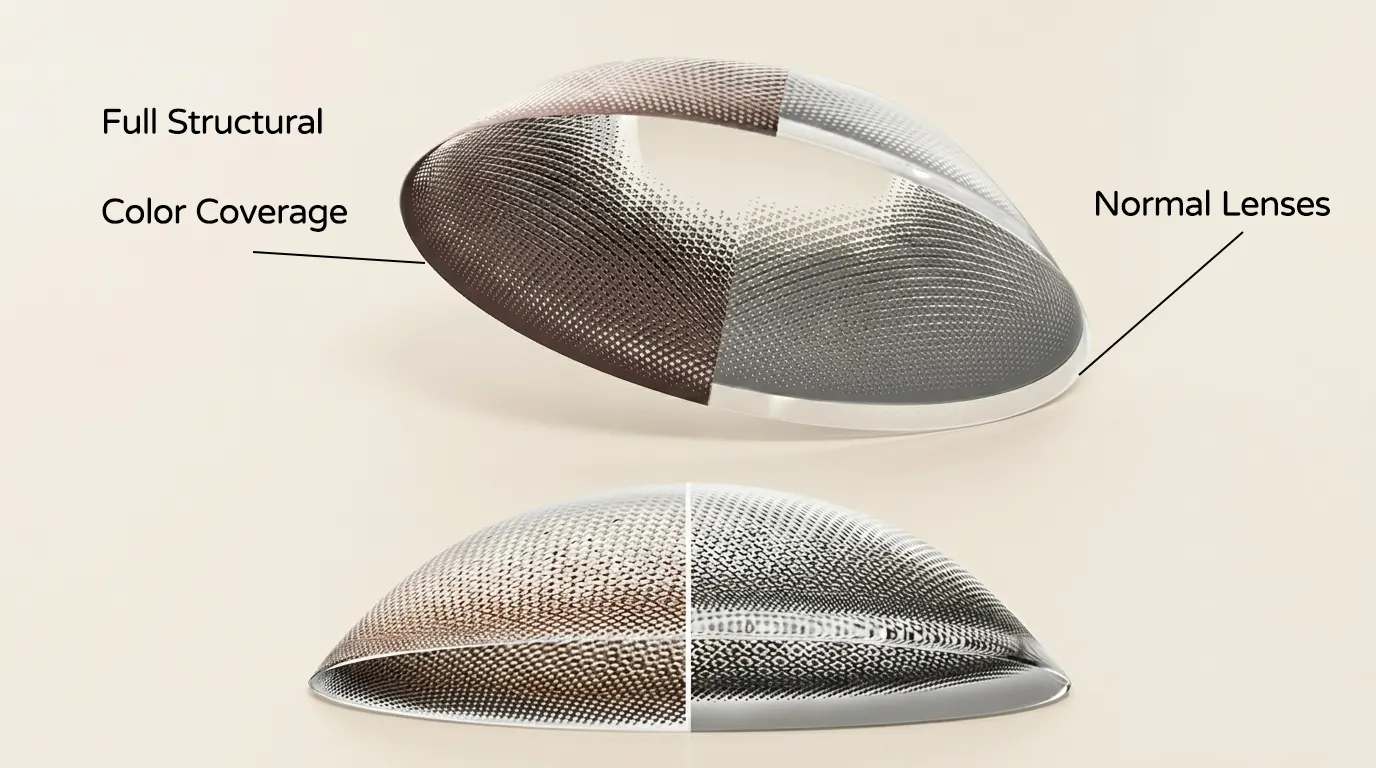
Industry standards for "large diameter" lenses are often limited by an invisible barrier: the peripheral clear zone. True visual expansion isn't achieved by adding more pigment, but by reclaiming the structural real estate of the lens. Full-Structure Color Coverage shifts the focus from pigment density to edge-to-edge architecture.
1. The Geometry of the Modern Lens
Most distributors believe that to provide contacts that make your eyes look big, they simply need a lens with a larger diameter. But diameter is a measurement, not an effect.
Standard manufacturing usually leaves a "buffer zone" at the edge of the lens. This clear peripheral area is meant to simplify production, but it creates a visual "break" between the color and the sclera. If you want to offer big doll eyes contact lenses that actually perform, you have to look at the structure, not just the size.
2. Technical Baseline: Standard Lens Architecture
In traditional lens manufacturing, the surface is divided into three distinct zones:
-
The Optical Zone: The clear center (typically 5.0mm to 6.0mm) for vision.
-
The Colored Zone (Graphic Diameter): Where the pigment is applied.
-
The Peripheral Clear Zone: A 0.5mm to 1.5mm unpigmented ring at the very edge.
While this standard works for "natural" enhancement lenses, it fails the consumer looking for large pupil contact lenses because it limits the total coverage area. Even a 14.5mm lens might only have a 13.5mm graphic diameter, leaving a visible gap.
3. Defining the Problem: Discontinuity and Rotation
Standard designs face two major hurdles in the "Big Eye" market:
-
Visual Discontinuity: When the lens moves slightly on the eye (lag), the clear peripheral zone overlaps with the natural iris, creating a "double-edge" effect that looks artificial.
-
The Rotation Issue: Many opaque designs use non-symmetric patterns to create depth. However, because contact lenses rotate naturally with every blink, these designs can appear "crooked" or misaligned throughout the day.
4. The Innovation: Full-Structure Color Coverage
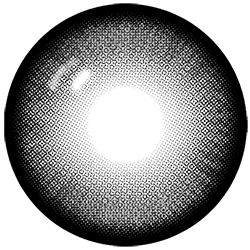
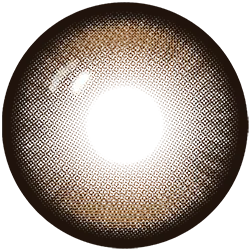
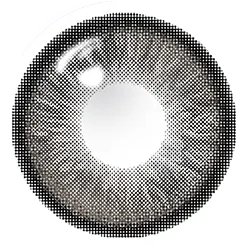
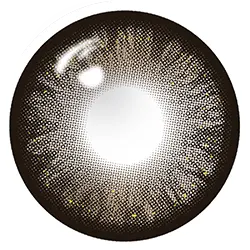
We have engineered a series of circle colored contact lenses utilizing Full-Structure Color Coverage.
In this design, the pigment extends to the absolute 14.5mm edge of the lens material.
-
Total Diameter: 14.5mm
-
Graphic Diameter: 14.5mm
-
Optical Zone: Unpigmented for clarity.
This is not achieved by simply increasing pigment density—which can reduce oxygen permeability—but by expanding the coverage area to the physical limits of the lens structure.
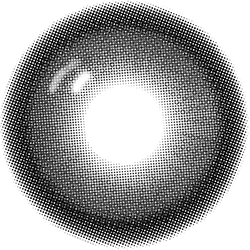
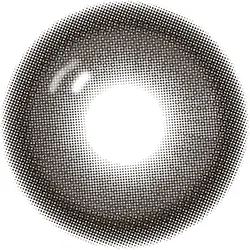
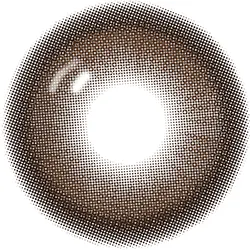
Recommendation: View our 9-style Full-Structure Series here
 |
 |
 |
 |
 |
|
 |
 |
|
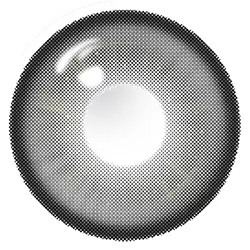 |
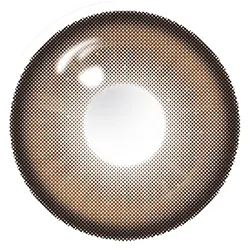 |
5. 360-Degree Symmetric Design
To solve the rotation problem common in contacts that make your pupils look bigger, our full-structure lenses utilize a 360-degree symmetric pigment distribution.
| Feature | Standard Large Lenses | Full-Structure Symmetric Lenses |
| Edge Coverage | 0.5mm - 1.0mm Clear Gap | 0mm Clear Gap (Edge-to-Edge) |
| Rotation Impact | Visual shifting/misalignment | Rotation-invariant (looks the same at any angle) |
| Visual Continuity | High risk of "halo" effect | Seamless edge-to-edge color |
| E-commerce Appeal | Moderate | High (Striking "Doll Eye" macro impact) |
Because the design is perfectly balanced, the visual effect remains stable regardless of how the lens sits on the cornea, eliminating the need for complex prism-ballast positioning technology.
6. Strategic Advantages for Distributors
-
Superior Performance on Dark Eyes: By covering the entire iris and extending to the edge, these lenses provide total coverage that hides the dark limbal ring of the natural eye.
-
Stable User Experience: No "bad angles." The user gets a consistent look from the moment they put them in until they take them out.
-
Enhanced Marketing Assets: For e-commerce retailers, these lenses produce significantly more dramatic "Before & After" photos, driving higher CTRs for the big eyes colored contact lenses category.
7. Objective Trade-offs
A technical perspective requires acknowledging the design's limits:
-
Edge Definition: Because the color goes to the edge, the transition to the sclera is "sharp." This is ideal for a big doll eyes contact lenses look but is less suited for users seeking a "no-makeup" natural look.
-
Pupil Interaction: A tighter optical zone provides more coverage but requires precise fitting to ensure no visual obstruction in low-light conditions.
8. Conclusion: Structural Innovation Over Pigment Competition
The market is crowded with brands competing on "more colors" or "finer dots." However, the real opportunity for distributors lies in structural innovation. By moving to a 14.5mm/14.5mm Full-Structure design, you aren't just selling a different color—you are selling a different architecture of the eye.
Technical Guide: [Understanding Pigment Encapsulation in Sandwich Technology]
Ready to upgrade your inventory with the 14.5mm Full-Structure Series? [Request a Sample Pack Now]↓