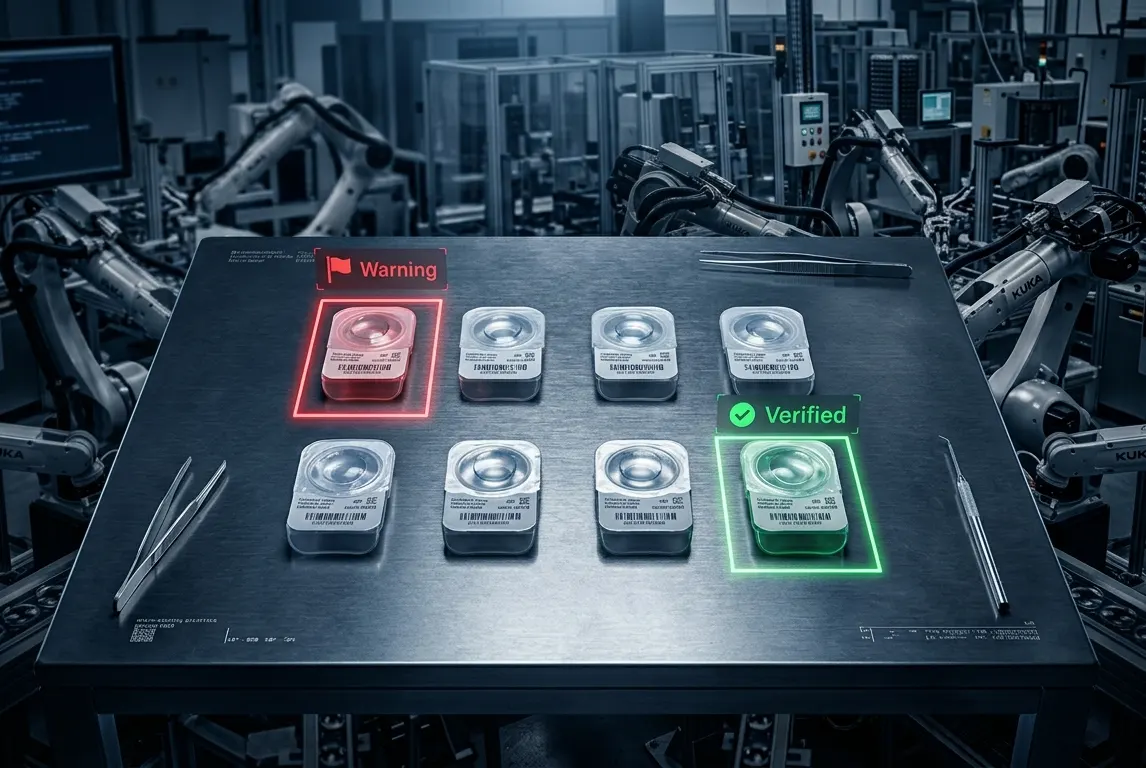
10 Red Flags in Color Lens Manufacturing: A Buyer’s Sourcing Guide

In the color contact lens industry, the most expensive mistake you can make is choosing the wrong partner based on the lowest quote. You aren't just sourcing a medical device; you are sourcing the stability of your brand's reputation. If the factory fails, your brand dies.
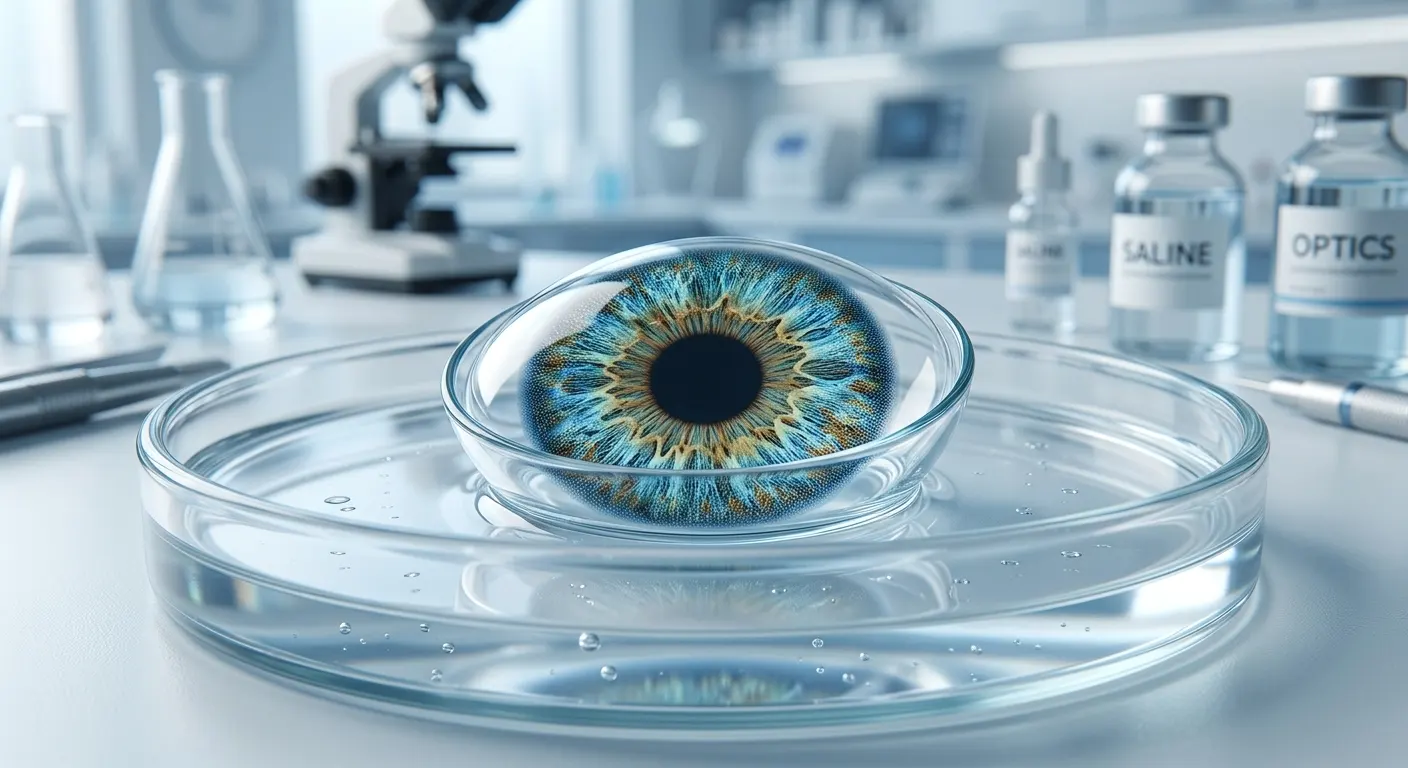
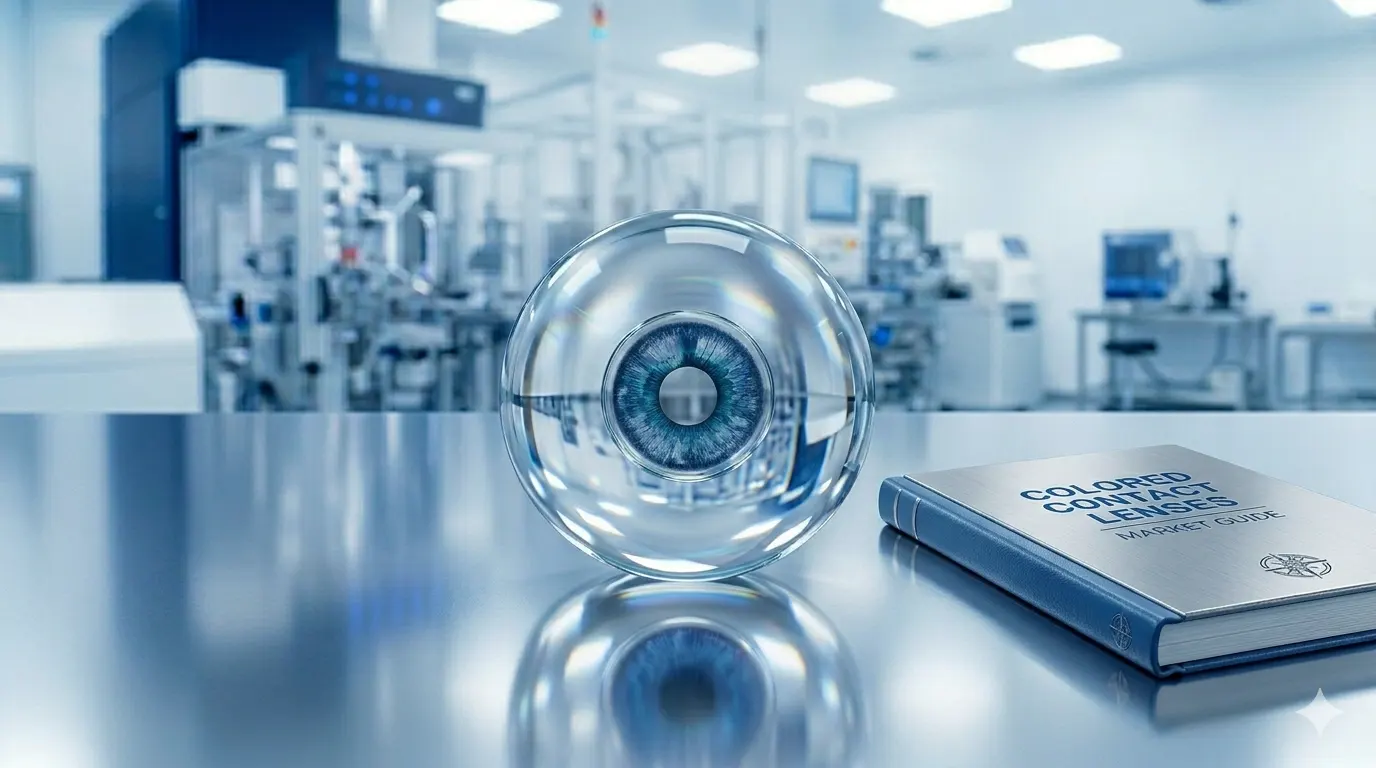
The Certification Moat: A 2026 Guide to Global Compliance for Color Contact Lens Distributors

Use this section to share your blogs. A blog can be used to talk about new product launches, tips, or other news you want to share with your customers.

The 2026 Guide to Compliance, Supplier Audits, and ROI

Don't risk your brand on uncertified suppliers. Discover the 2026 blueprint for color contact lenses distribution: from verifying FDA/CE MDR certificates to auditing factory quality and modeling your ROI for maximum profit. Start your professional sourcing journey here.

Why Do Customers Complain After Wearing Your Lenses for a While?

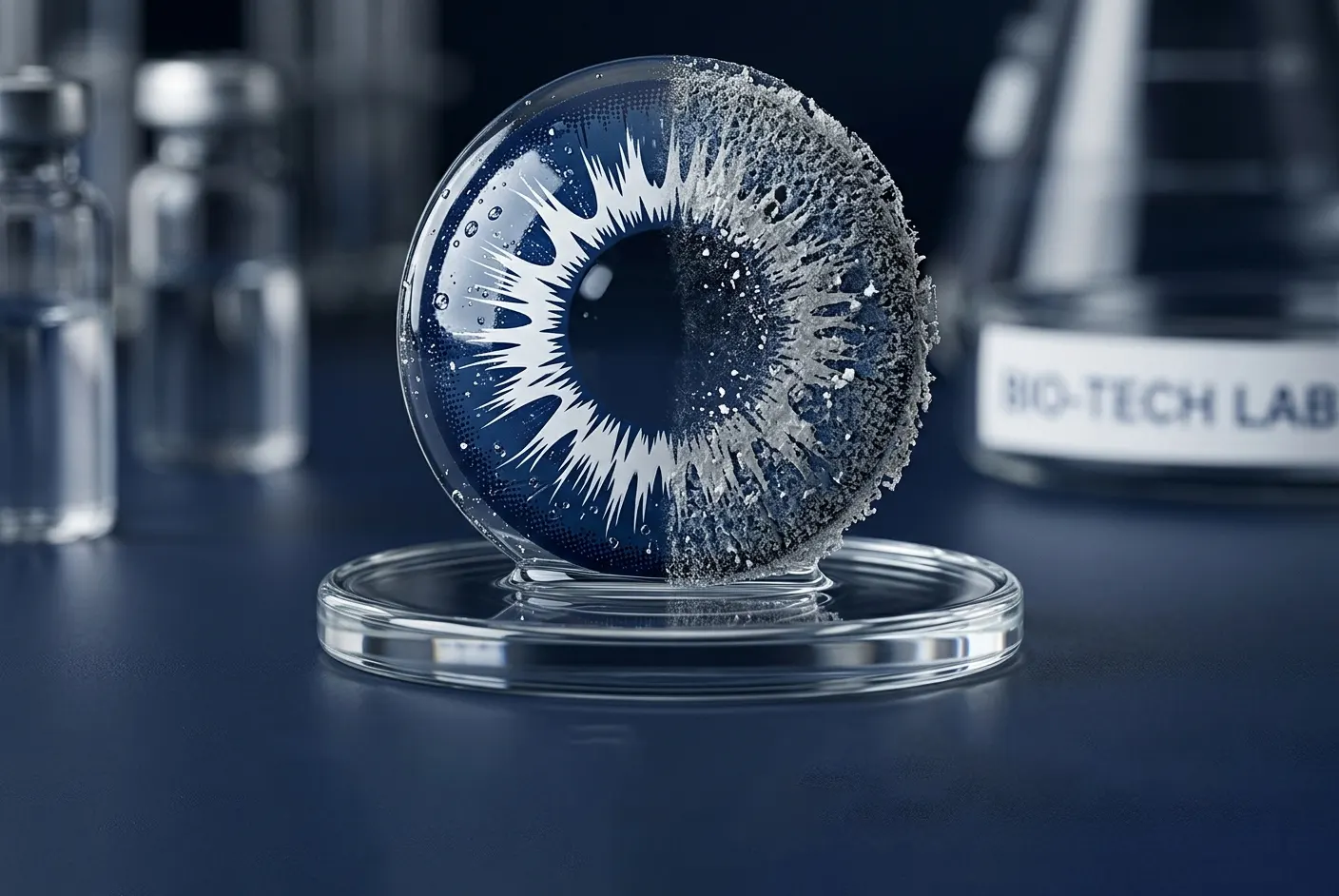
It starts with a 5-star review. The customer loves the color. But 30 days later, the feedback turns sour: "These hurt my eyes," "They feel dry," "They’ve become blurry." As a brand owner, you might think it's a "bad batch." Usually, it’s not. It’s a predictable scientific event called **Material Degradation** and **Protein Deposition**. If you don't choose the right material, you are building your brand on a ticking time bomb.

The Art of Balance: How to Choose the Right Oxygen Permeability (Dk/t) for Your Color Lens Brand

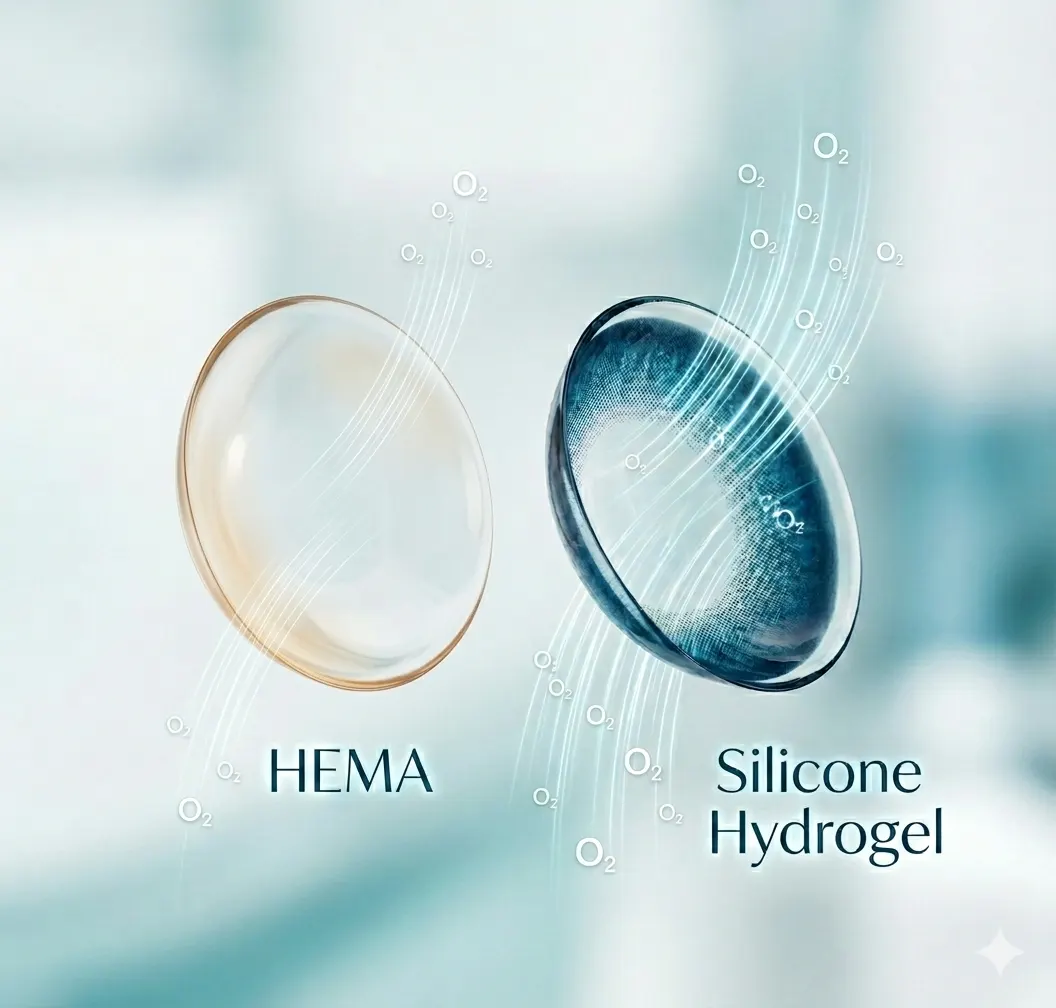
The Core Insight: In the colored contact lens industry, there is a common trap: believing that the highest technical spec is always the best business choice. In reality, a successful brand is built on Balance. It’s about matching the right material to the right wearer. HEMA and Silicone Hydrogel aren't rivals—they are different tools for different market needs.

Why Silicone Hydrogel Is the Gold Standard for Premium Colored Contacts?

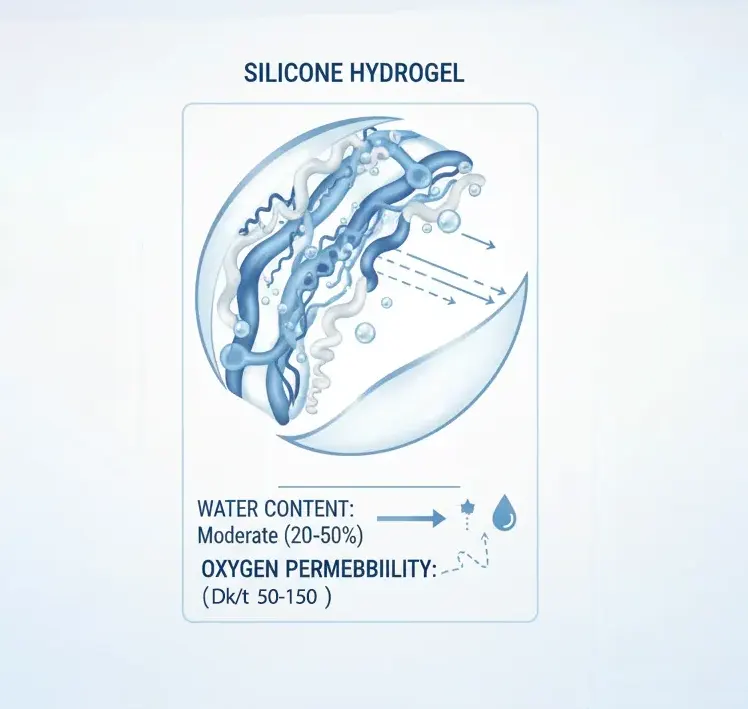
In the colored contact lens industry, material choice shapes both wearing comfort and product positioning. Silicone hydrogel has become widely recognized as the gold standard for premium colored contacts not simply because it is more advanced, but because it offers a better balance between oxygen permeability, comfort, safety, and brand value.

Traditional Hydrogel, Modern Performance: HEMA in Year-Long Colored Contacts

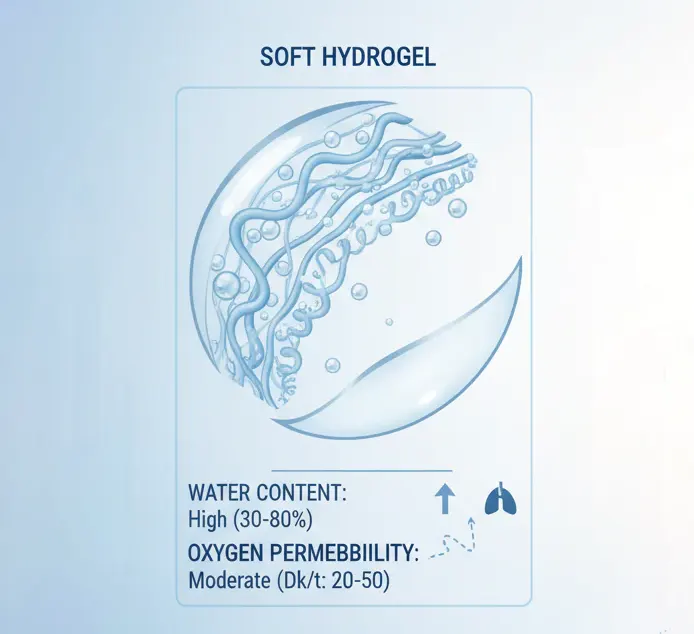
For startup brands and distributors entering the colored contact lenses space, understanding where HEMA sits in the “material–cost–experience” triangle is critical for positioning, margin design, and long‑term survival in a crowded market.

Colored Contact Lenses Material Procurement Guide: 5 Core Types & Selection Essentials

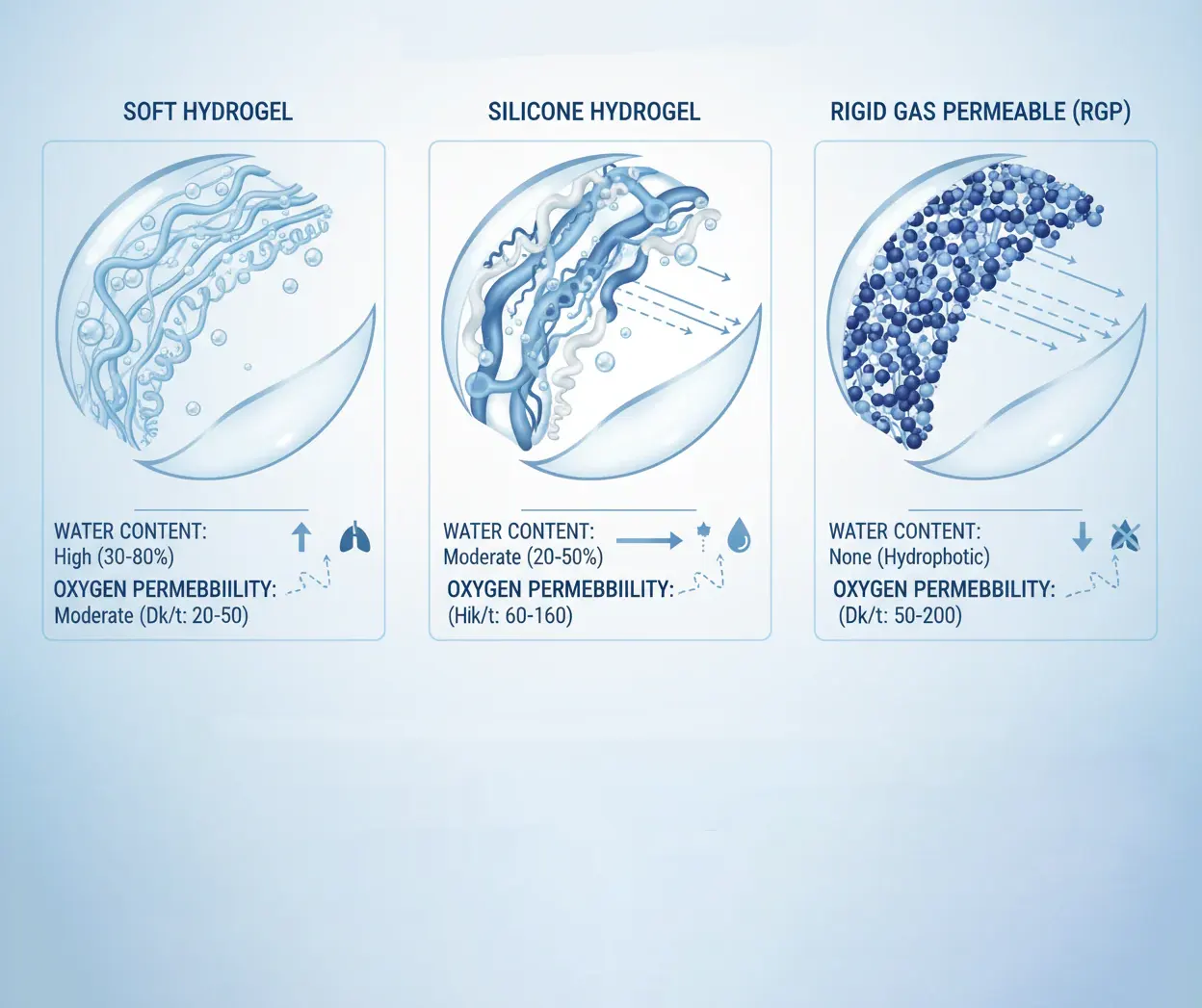
Materials are the core of colored contact lenses, directly determining product quality and procurement decisions. Buyers need to understand how materials impact wear comfort, production costs, and compliance risks—this overview establishes a clear selection framework.

10 Red Flags in Color Lens Manufacturing: A Buyer’s Sourcing Guide

In the color contact lens industry, the most expensive mistake you can make is choosing the wrong partner based on the lowest quote. You aren't just sourcing a medical device; you are sourcing the stability of your brand's reputation. If the factory fails, your brand dies.
The Certification Moat: A 2026 Guide to Global Compliance for Color Contact Lens Distributors

Use this section to share your blogs. A blog can be used to talk about new product launches, tips, or other news you want to share with your customers.

The 2026 Guide to Compliance, Supplier Audits, and ROI

Don't risk your brand on uncertified suppliers. Discover the 2026 blueprint for color contact lenses distribution: from verifying FDA/CE MDR certificates to auditing factory quality and modeling your ROI for maximum profit. Start your professional sourcing journey here.

Why Do Customers Complain After Wearing Your Lenses for a While?

It starts with a 5-star review. The customer loves the color. But 30 days later, the feedback turns sour: "These hurt my eyes," "They feel dry," "They’ve become blurry." As a brand owner, you might think it's a "bad batch." Usually, it’s not. It’s a predictable scientific event called **Material Degradation** and **Protein Deposition**. If you don't choose the right material, you are building your brand on a ticking time bomb.

The Art of Balance: How to Choose the Right Oxygen Permeability (Dk/t) for Your Color Lens Brand

The Core Insight: In the colored contact lens industry, there is a common trap: believing that the highest technical spec is always the best business choice. In reality, a successful brand is built on Balance. It’s about matching the right material to the right wearer. HEMA and Silicone Hydrogel aren't rivals—they are different tools for different market needs.

Why Silicone Hydrogel Is the Gold Standard for Premium Colored Contacts?

In the colored contact lens industry, material choice shapes both wearing comfort and product positioning. Silicone hydrogel has become widely recognized as the gold standard for premium colored contacts not simply because it is more advanced, but because it offers a better balance between oxygen permeability, comfort, safety, and brand value.

Traditional Hydrogel, Modern Performance: HEMA in Year-Long Colored Contacts

For startup brands and distributors entering the colored contact lenses space, understanding where HEMA sits in the “material–cost–experience” triangle is critical for positioning, margin design, and long‑term survival in a crowded market.

Colored Contact Lenses Material Procurement Guide: 5 Core Types & Selection Essentials

Materials are the core of colored contact lenses, directly determining product quality and procurement decisions. Buyers need to understand how materials impact wear comfort, production costs, and compliance risks—this overview establishes a clear selection framework.

Warenkorb

WhatsApp Messenger