Vibrant Colored Contacts: A Distributor’s Guide to Sourcing Multiracial Style Contact Lenses

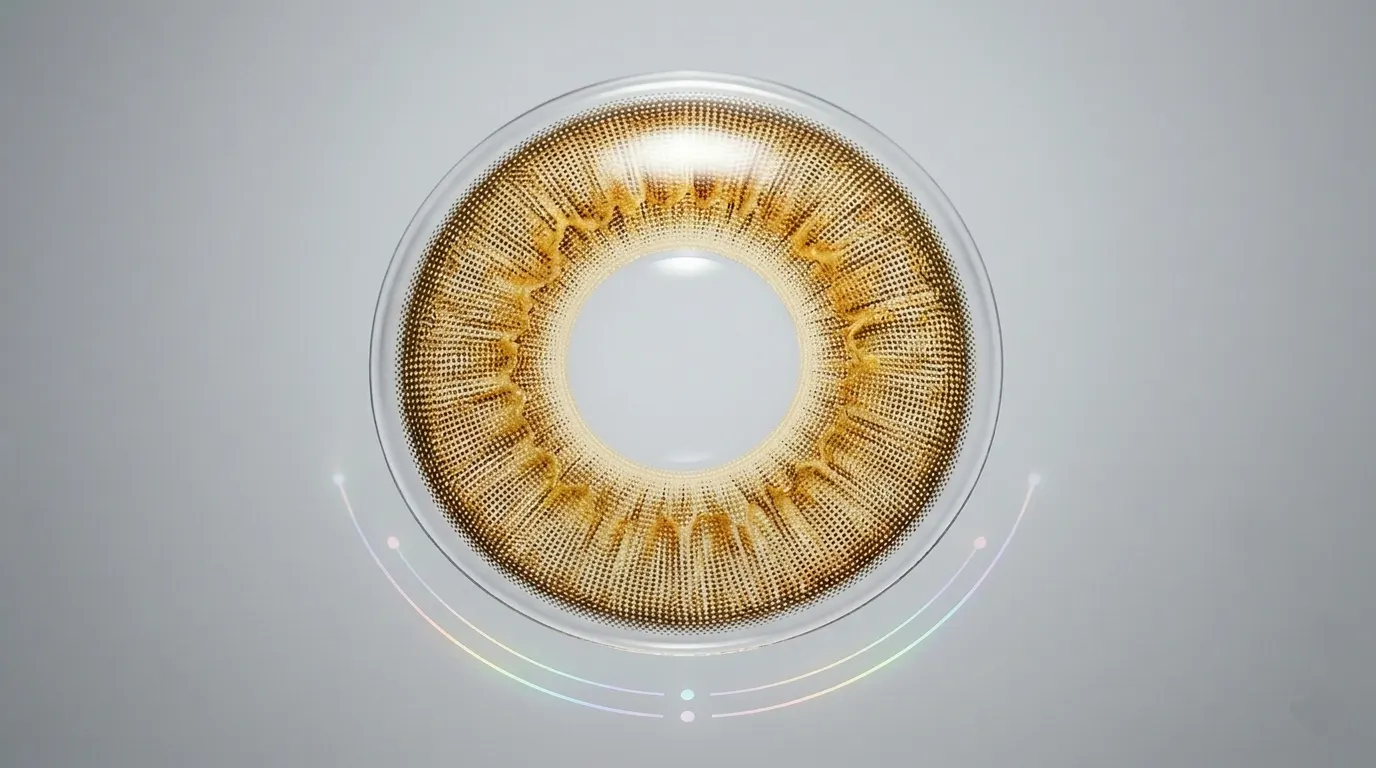
Distributors think sourcing a "vibrant" or "exotic" colored contact lens means picking the brightest color in the catalog. But flat, bright pigment just looks like alien paint. The goal is not to change the eye's color—the goal is to reconstruct the optical physics of a naturally light-colored iris over a dark one.


The Truth About Natural-Looking Colored Contacts (A Distributor’s Guide)

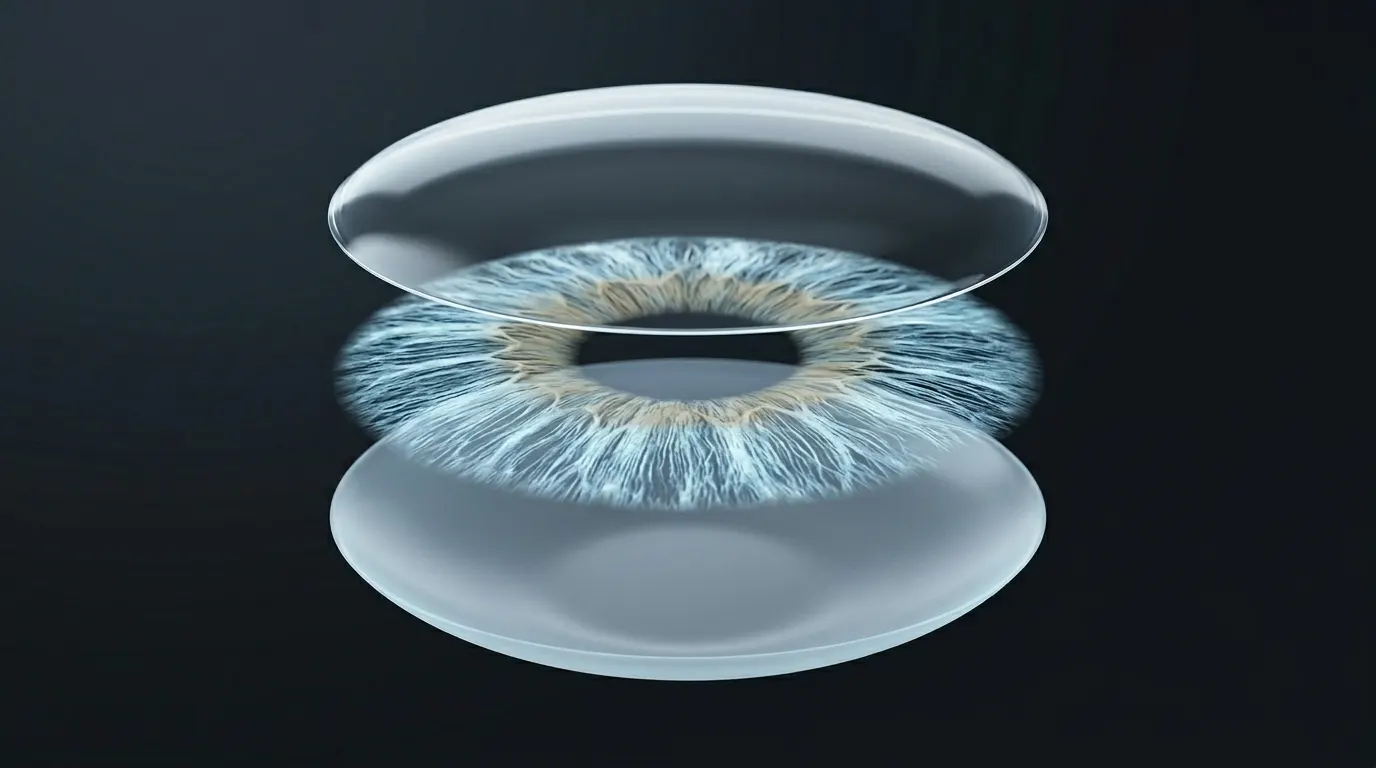
The most believable colored contact lens is not the one with the right color. It is the one with the right biological structure. Consumers do not buy “brown” or “gray” lenses—they buy the illusion of an organic human iris.

The Identity Series: Why Pink, Purple, and Multi-Tone Lenses Are Your Social Media Growth Engine

In the world of distribution, most people are afraid of the "Edges." They stay in the center—the browns, the grays, the safe bets. But the center is crowded. The edges are where the growth is.

The Escape Effect: Why Blue, Green, and Hazel Lenses Are Your High-Margin Strategic Differentiators

In the distribution business, safety is often found in the "Middle." You stock the browns, the blacks, and the grays because they move fast. They are the bread and butter. But in a crowded market, bread and butter only keep the lights on.

The Anchor Strategy: Why Natural Lenses Build Wholesale Empires

  Brown, Gray, and Black lenses are not just "basic" colors. They are your Anchor SKUs.   In the colored contact lens industry, the difference between a struggling distributor and a market leader comes down to understanding the Psychology of the Daily Wearer. Natural shades represent 70-80% of the market’s volume because they solve a universal human desire: to look better without looking "different."

Why Highlight Colored Contact Lenses Rotate?

The "uncanny valley" of colored contacts isn't caused by bad pigment; it's caused by physics. Highlight lenses are designed to mimic natural light reflection, but because standard lenses rotate freely, that "light" ends up pointing in the wrong direction. We’ve solved the "fake" look not with better art, but with gravitational stabilization.

The Evolution of Big Eyes Colored Contact Lenses: Solving Visual Discontinuity

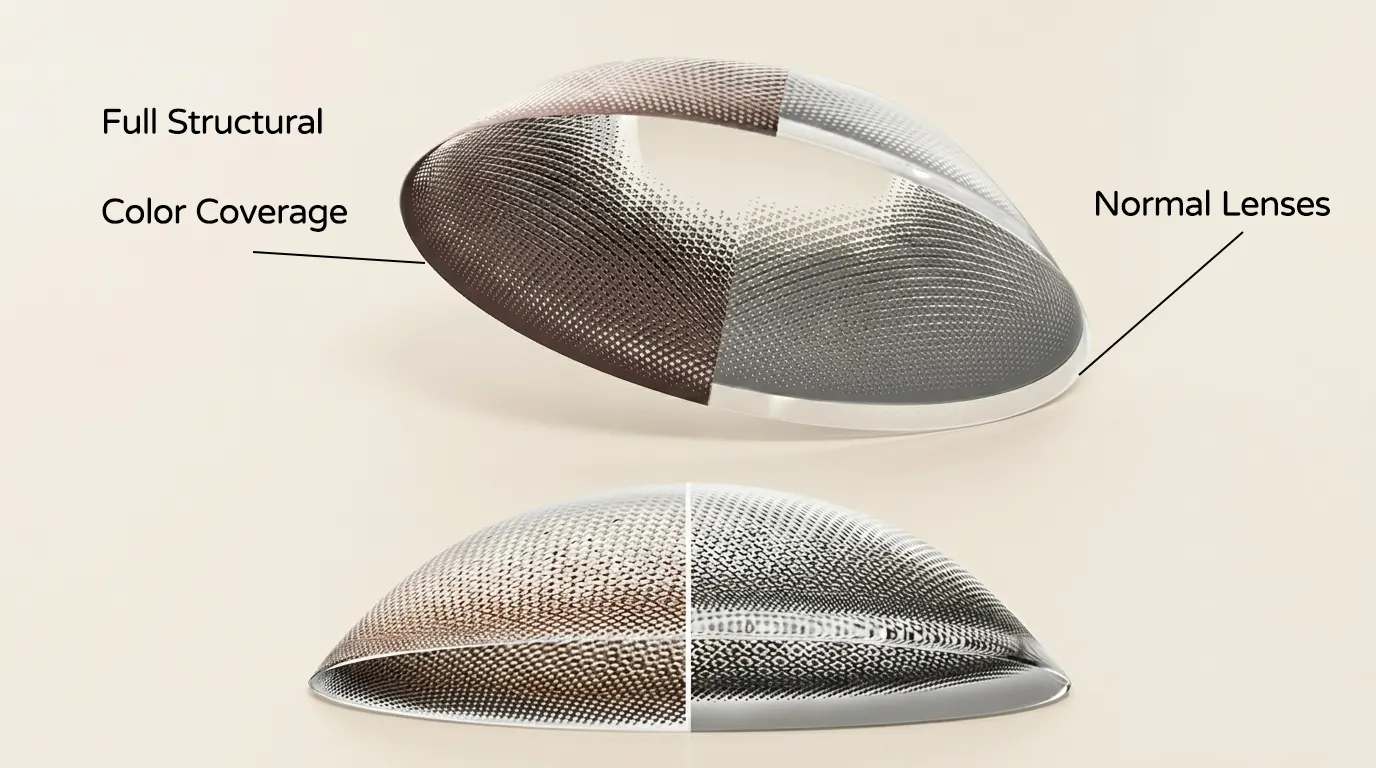
Industry standards for "large diameter" lenses are often limited by an invisible barrier: the peripheral clear zone. True visual expansion isn't achieved by adding more pigment, but by reclaiming the structural real estate of the lens. Full-Structure Color Coverage shifts the focus from pigment density to edge-to-edge architecture.

The Colored Contacts Distributor ROI Model: Why Most Lose Money (And How to Win)

In this guide, we will break down the exact ROI (Return on Investment) model used by the most successful colored contacts distributors. We will show you the real math, the hidden risks, and how partnering with a brand like Mislens can turn a standard wholesale operation into a highly profitable cash machine.

Vibrant Colored Contacts: A Distributor’s Guide to Sourcing Multiracial Style Contact Lenses

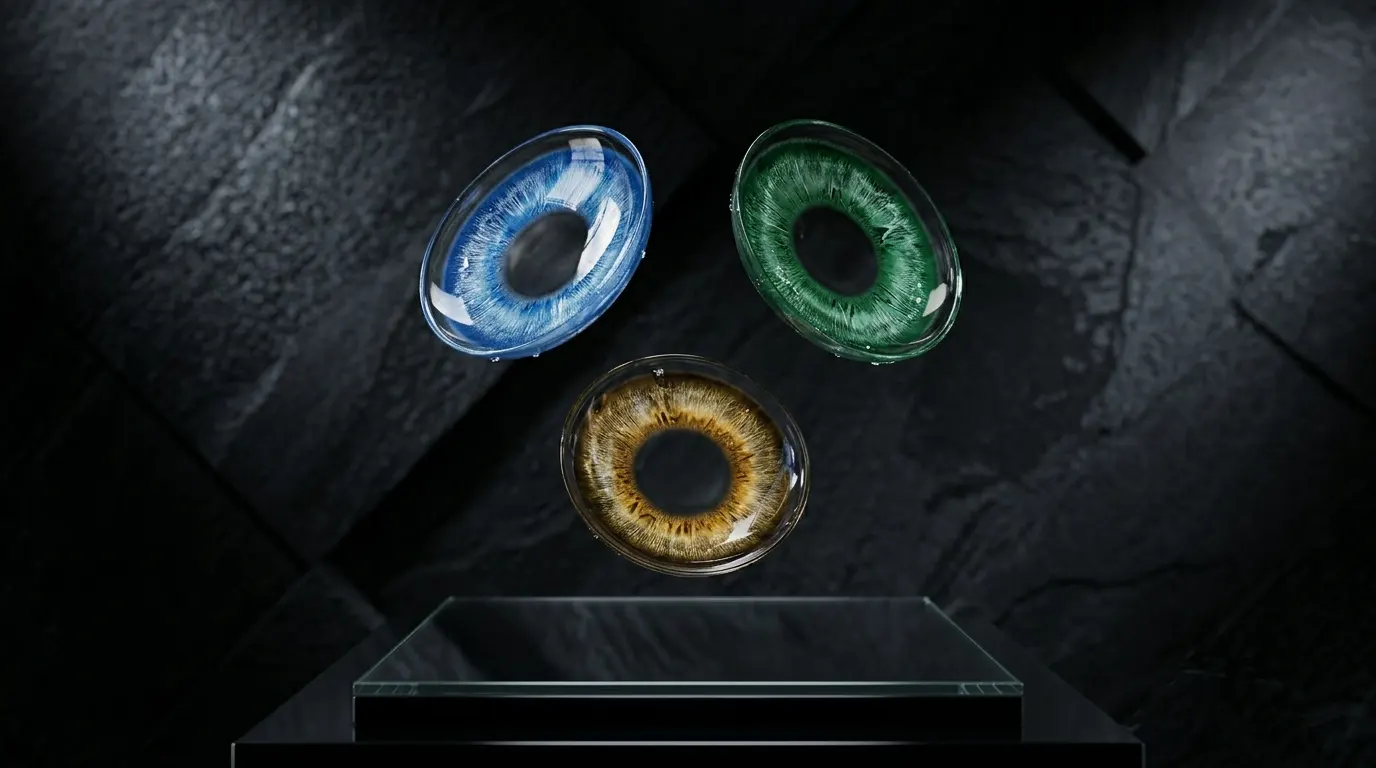
Distributors think sourcing a "vibrant" or "exotic" colored contact lens means picking the brightest color in the catalog. But flat, bright pigment just looks like alien paint. The goal is not to change the eye's color—the goal is to reconstruct the optical physics of a naturally light-colored iris over a dark one.
The Truth About Natural-Looking Colored Contacts (A Distributor’s Guide)

The most believable colored contact lens is not the one with the right color. It is the one with the right biological structure. Consumers do not buy “brown” or “gray” lenses—they buy the illusion of an organic human iris.

The Identity Series: Why Pink, Purple, and Multi-Tone Lenses Are Your Social Media Growth Engine

In the world of distribution, most people are afraid of the "Edges." They stay in the center—the browns, the grays, the safe bets. But the center is crowded. The edges are where the growth is.

The Escape Effect: Why Blue, Green, and Hazel Lenses Are Your High-Margin Strategic Differentiators

In the distribution business, safety is often found in the "Middle." You stock the browns, the blacks, and the grays because they move fast. They are the bread and butter. But in a crowded market, bread and butter only keep the lights on.

The Anchor Strategy: Why Natural Lenses Build Wholesale Empires

  Brown, Gray, and Black lenses are not just "basic" colors. They are your Anchor SKUs.   In the colored contact lens industry, the difference between a struggling distributor and a market leader comes down to understanding the Psychology of the Daily Wearer. Natural shades represent 70-80% of the market’s volume because they solve a universal human desire: to look better without looking "different."

Why Highlight Colored Contact Lenses Rotate?

The "uncanny valley" of colored contacts isn't caused by bad pigment; it's caused by physics. Highlight lenses are designed to mimic natural light reflection, but because standard lenses rotate freely, that "light" ends up pointing in the wrong direction. We’ve solved the "fake" look not with better art, but with gravitational stabilization.

The Evolution of Big Eyes Colored Contact Lenses: Solving Visual Discontinuity

Industry standards for "large diameter" lenses are often limited by an invisible barrier: the peripheral clear zone. True visual expansion isn't achieved by adding more pigment, but by reclaiming the structural real estate of the lens. Full-Structure Color Coverage shifts the focus from pigment density to edge-to-edge architecture.

The Colored Contacts Distributor ROI Model: Why Most Lose Money (And How to Win)

In this guide, we will break down the exact ROI (Return on Investment) model used by the most successful colored contacts distributors. We will show you the real math, the hidden risks, and how partnering with a brand like Mislens can turn a standard wholesale operation into a highly profitable cash machine.

Troli

Memuat

WhatsApp Messenger