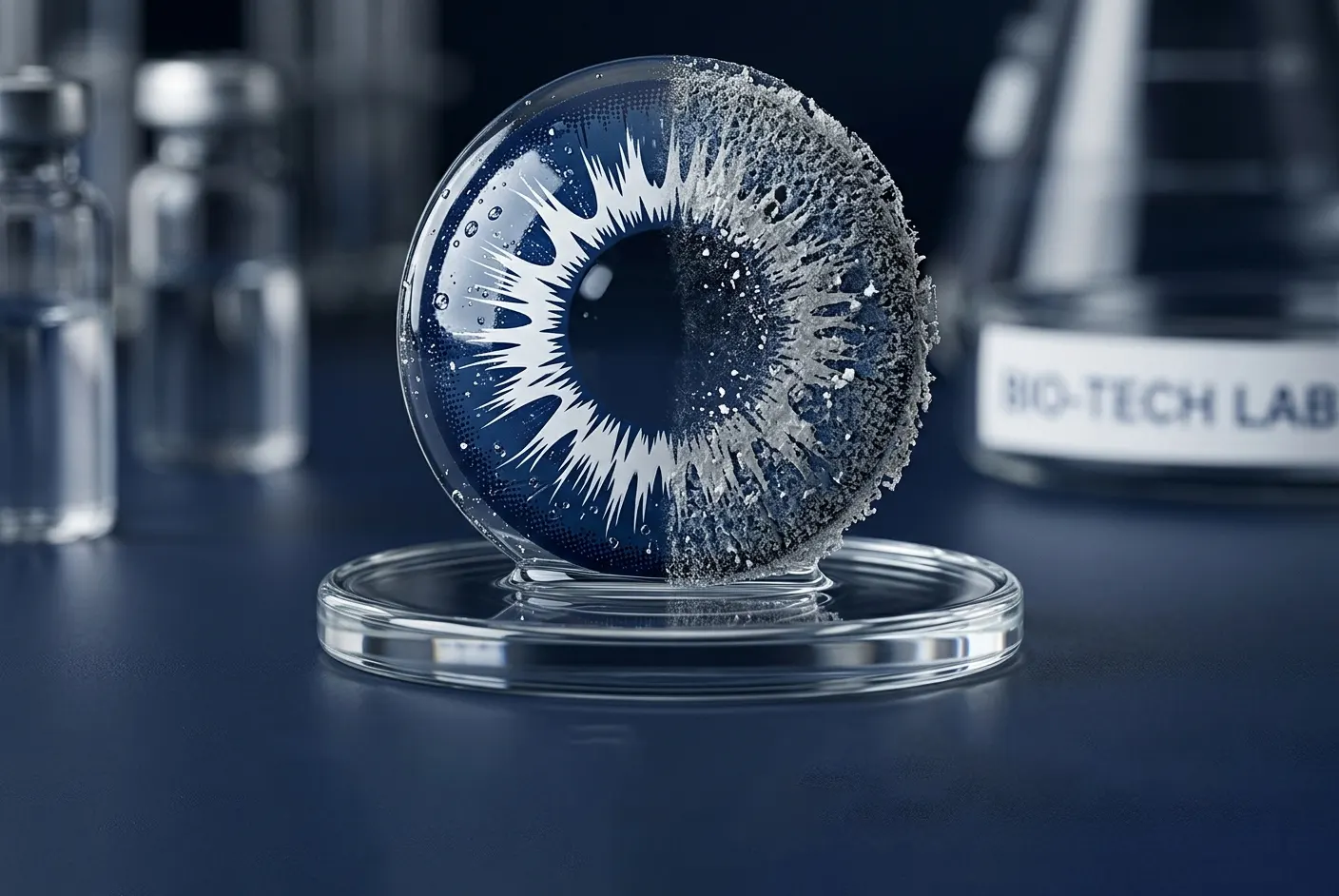
Why Do Customers Complain After Wearing Your Lenses for a While?

It starts with a 5-star review. The customer loves the color. But 30 days later, the feedback turns sour: "These hurt my eyes," "They feel dry," "They’ve become blurry." As a brand owner, you might think it's a "bad batch." Usually, it’s not. It’s a predictable scientific event called **Material Degradation** and **Protein Deposition**. If you don't choose the right material, you are building your brand on a ticking time bomb.
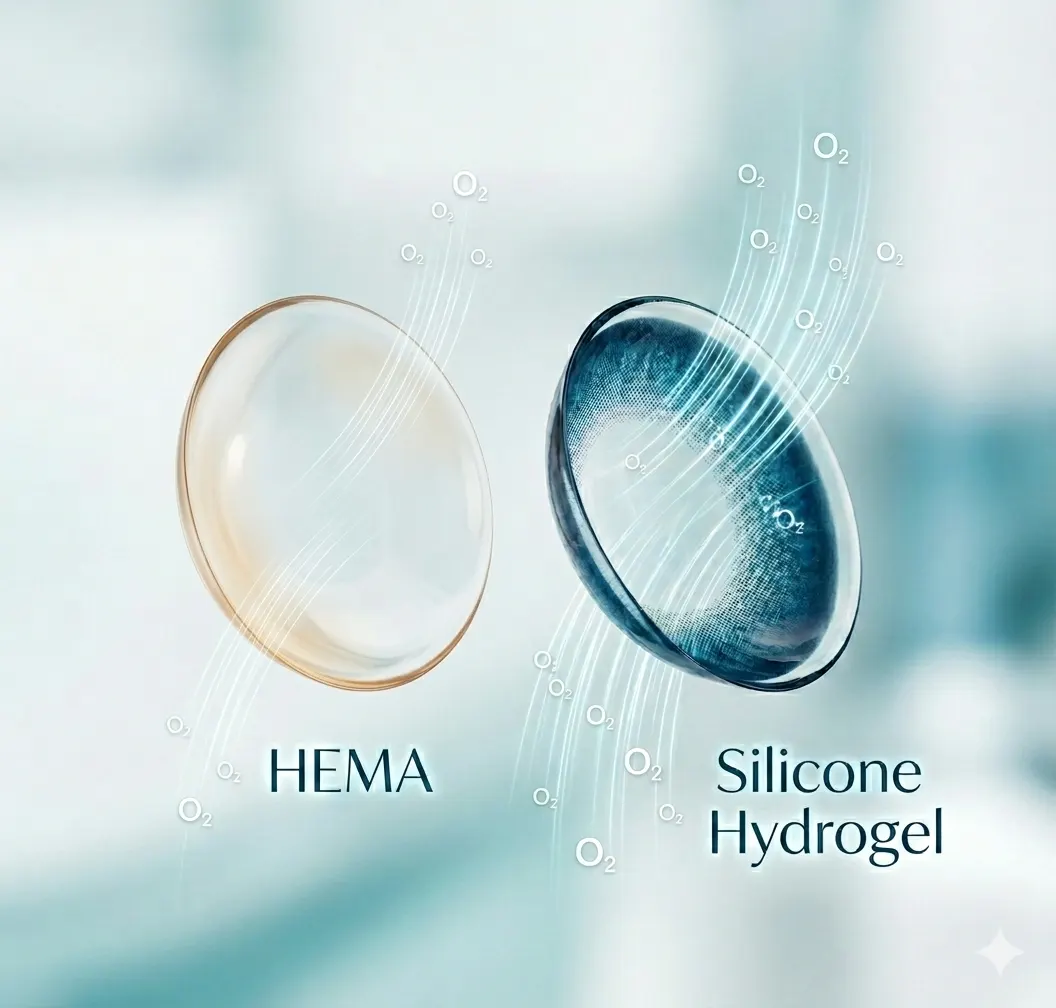
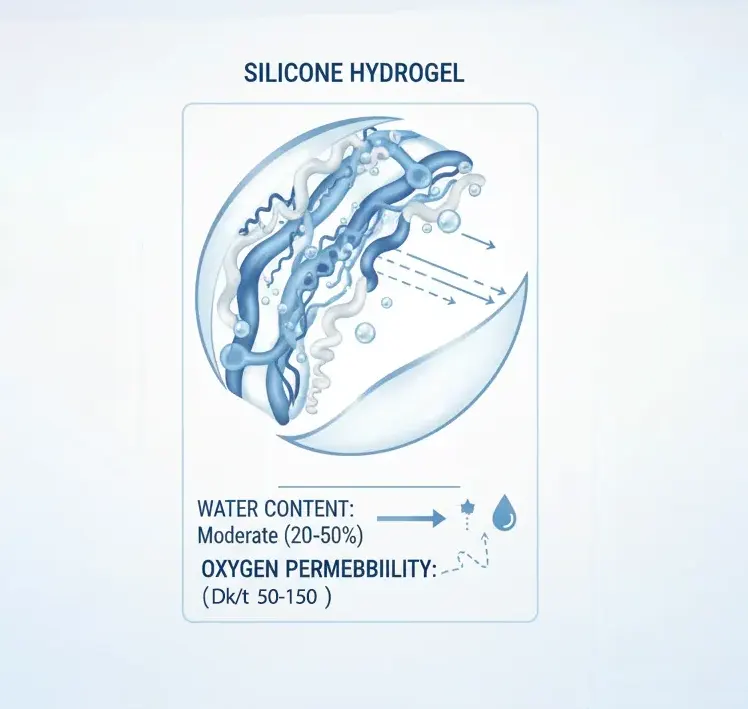
The Art of Balance: How to Choose the Right Oxygen Permeability (Dk/t) for Your Color Lens Brand

The Core Insight: In the colored contact lens industry, there is a common trap: believing that the highest technical spec is always the best business choice. In reality, a successful brand is built on Balance. It’s about matching the right material to the right wearer. HEMA and Silicone Hydrogel aren't rivals—they are different tools for different market needs.

Why Silicone Hydrogel Is the Gold Standard for Premium Colored Contacts?

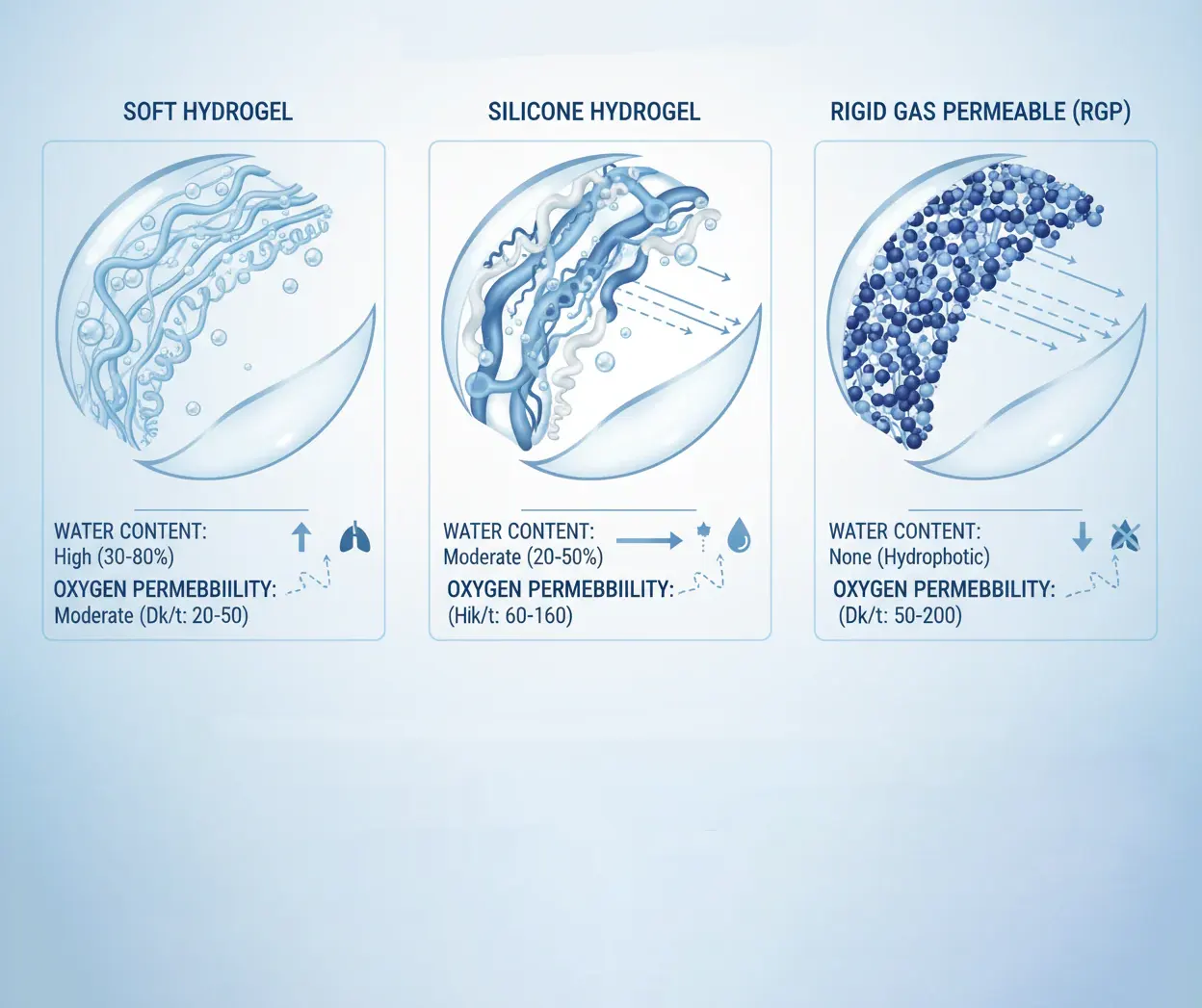
In the colored contact lens industry, material choice shapes both wearing comfort and product positioning. Silicone hydrogel has become widely recognized as the gold standard for premium colored contacts not simply because it is more advanced, but because it offers a better balance between oxygen permeability, comfort, safety, and brand value.

Traditional Hydrogel, Modern Performance: HEMA in Year-Long Colored Contacts

For startup brands and distributors entering the colored contact lenses space, understanding where HEMA sits in the “material–cost–experience” triangle is critical for positioning, margin design, and long‑term survival in a crowded market.

Colored Contact Lenses Material Procurement Guide: 5 Core Types & Selection Essentials

Materials are the core of colored contact lenses, directly determining product quality and procurement decisions. Buyers need to understand how materials impact wear comfort, production costs, and compliance risks—this overview establishes a clear selection framework.

Evolution of Colored Contact Lens Manufacturing: A Buyer's Guide to Production Techniques

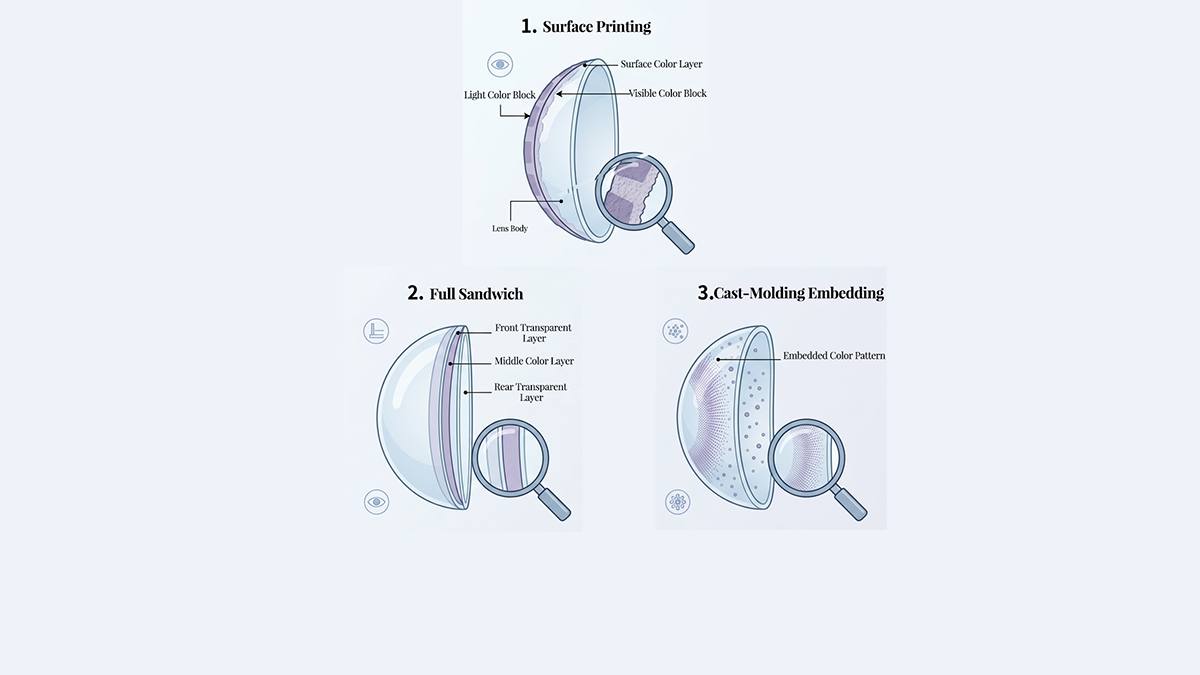
Early colored contact lenses emerged in the 1980s to meet cosmetic demands, starting with rudimentary surface printing methods that prioritized simplicity over safety. These initial techniques laid the groundwork but exposed critical flaws, driving rapid innovation toward safer, more durable processes like the sandwich method, which remains the gold standard today.

Are Asian Color Contacts Really Less Safe? A Clear Look at Technology, Materials, and Regulations

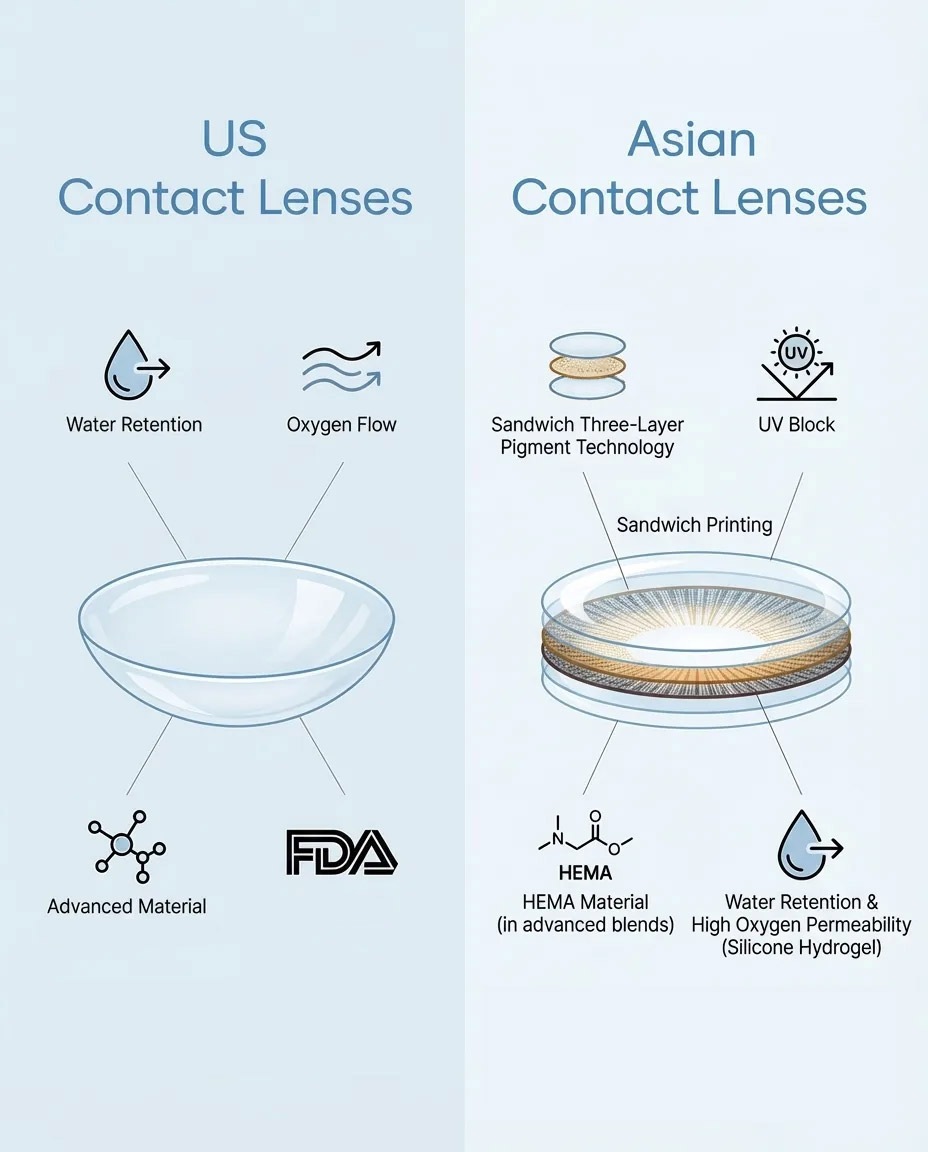
Learn whether color contacts made in Asia are safe, and how they compare to U.S. and European lenses in materials, technology, and regulation. Make safer choices with clear license checks and smart usage habits.

How to Choose the Right Contact Lens Size for Your Eyes (Especially Big Size Circle Lenses)

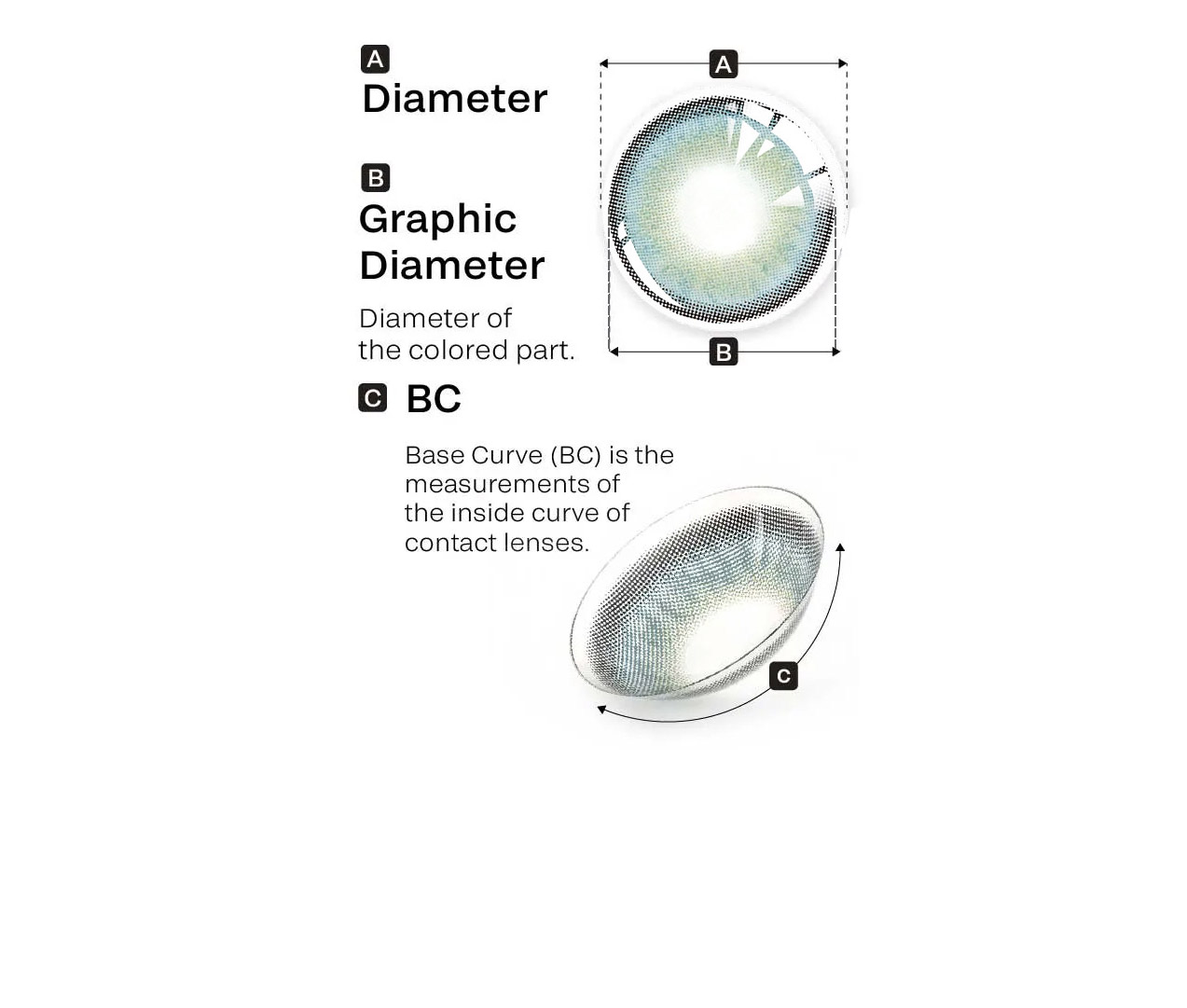
Choosing colored contacts is not just about color and pattern; **contact lens size** is just as important. The wrong diameter can make your eyes look unnaturally large or cause discomfort, while the right size will give you a beautiful, balanced look that still feels comfortable. In this guide, you’ll learn how to choose between a 14mm contact lens, 14.5 mm circle lenses, and other big size contact lenses based on your own eye shape.

Why Do Customers Complain After Wearing Your Lenses for a While?

It starts with a 5-star review. The customer loves the color. But 30 days later, the feedback turns sour: "These hurt my eyes," "They feel dry," "They’ve become blurry." As a brand owner, you might think it's a "bad batch." Usually, it’s not. It’s a predictable scientific event called **Material Degradation** and **Protein Deposition**. If you don't choose the right material, you are building your brand on a ticking time bomb.
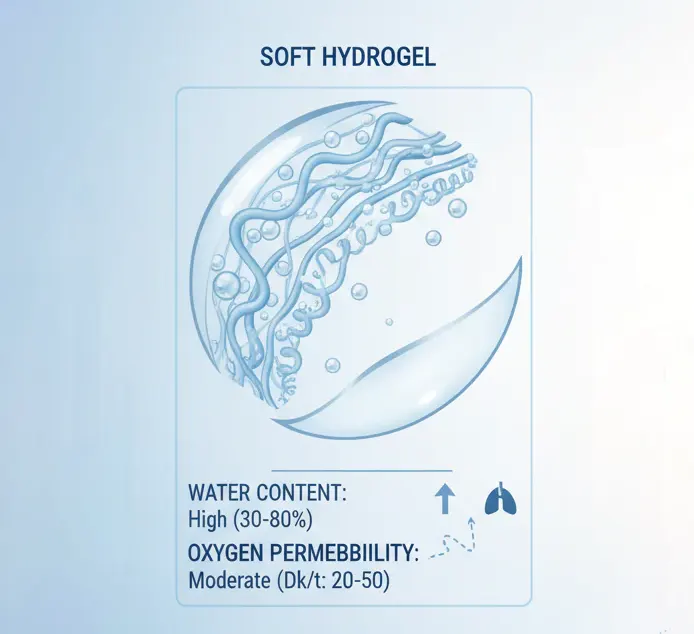
The Art of Balance: How to Choose the Right Oxygen Permeability (Dk/t) for Your Color Lens Brand

The Core Insight: In the colored contact lens industry, there is a common trap: believing that the highest technical spec is always the best business choice. In reality, a successful brand is built on Balance. It’s about matching the right material to the right wearer. HEMA and Silicone Hydrogel aren't rivals—they are different tools for different market needs.

Why Silicone Hydrogel Is the Gold Standard for Premium Colored Contacts?

In the colored contact lens industry, material choice shapes both wearing comfort and product positioning. Silicone hydrogel has become widely recognized as the gold standard for premium colored contacts not simply because it is more advanced, but because it offers a better balance between oxygen permeability, comfort, safety, and brand value.

Traditional Hydrogel, Modern Performance: HEMA in Year-Long Colored Contacts

For startup brands and distributors entering the colored contact lenses space, understanding where HEMA sits in the “material–cost–experience” triangle is critical for positioning, margin design, and long‑term survival in a crowded market.

Colored Contact Lenses Material Procurement Guide: 5 Core Types & Selection Essentials

Materials are the core of colored contact lenses, directly determining product quality and procurement decisions. Buyers need to understand how materials impact wear comfort, production costs, and compliance risks—this overview establishes a clear selection framework.

Evolution of Colored Contact Lens Manufacturing: A Buyer's Guide to Production Techniques

Early colored contact lenses emerged in the 1980s to meet cosmetic demands, starting with rudimentary surface printing methods that prioritized simplicity over safety. These initial techniques laid the groundwork but exposed critical flaws, driving rapid innovation toward safer, more durable processes like the sandwich method, which remains the gold standard today.

Are Asian Color Contacts Really Less Safe? A Clear Look at Technology, Materials, and Regulations

Learn whether color contacts made in Asia are safe, and how they compare to U.S. and European lenses in materials, technology, and regulation. Make safer choices with clear license checks and smart usage habits.

How to Choose the Right Contact Lens Size for Your Eyes (Especially Big Size Circle Lenses)

Choosing colored contacts is not just about color and pattern; **contact lens size** is just as important. The wrong diameter can make your eyes look unnaturally large or cause discomfort, while the right size will give you a beautiful, balanced look that still feels comfortable. In this guide, you’ll learn how to choose between a 14mm contact lens, 14.5 mm circle lenses, and other big size contact lenses based on your own eye shape.

Kart Anda

Memuat

WhatsApp Messenger